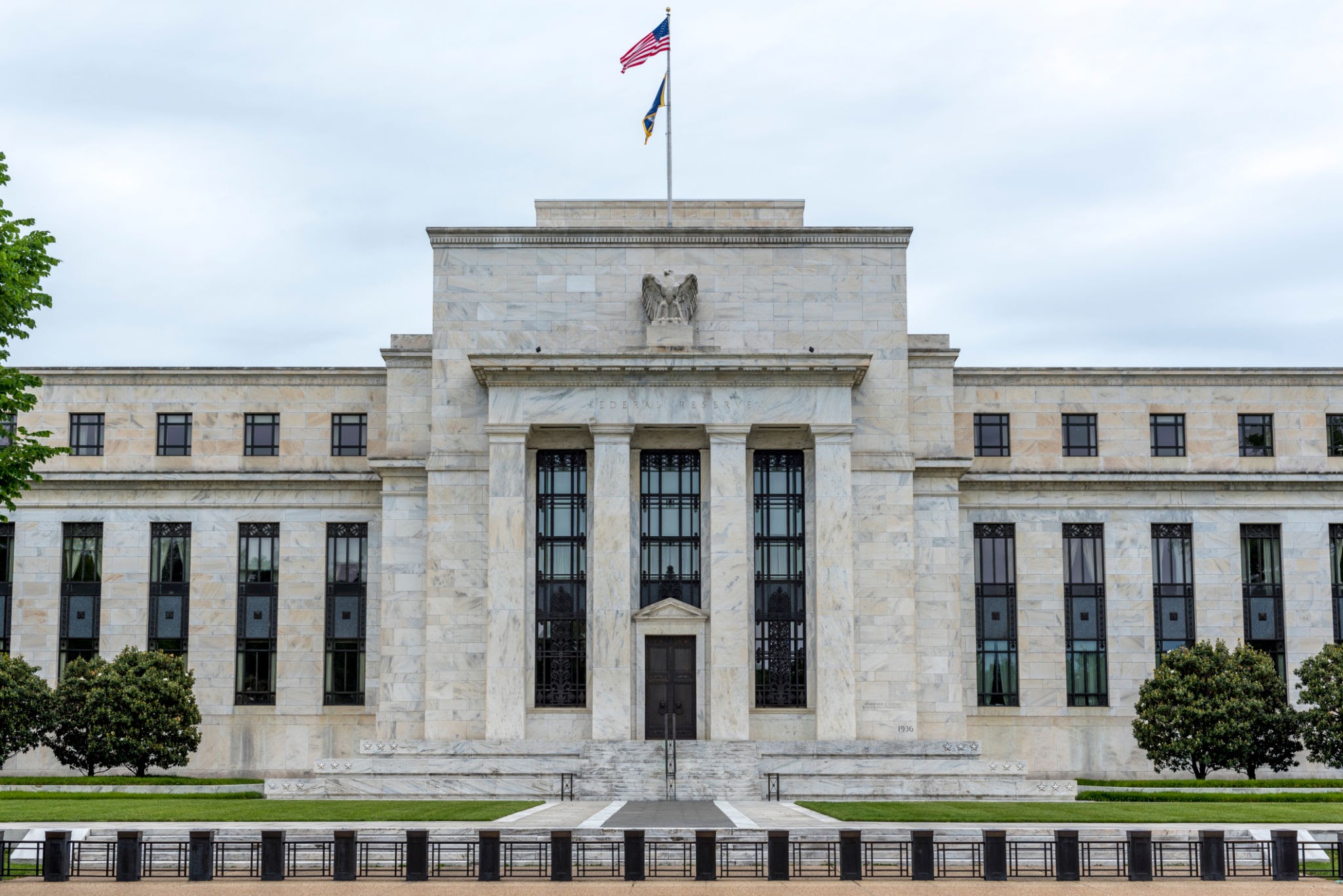




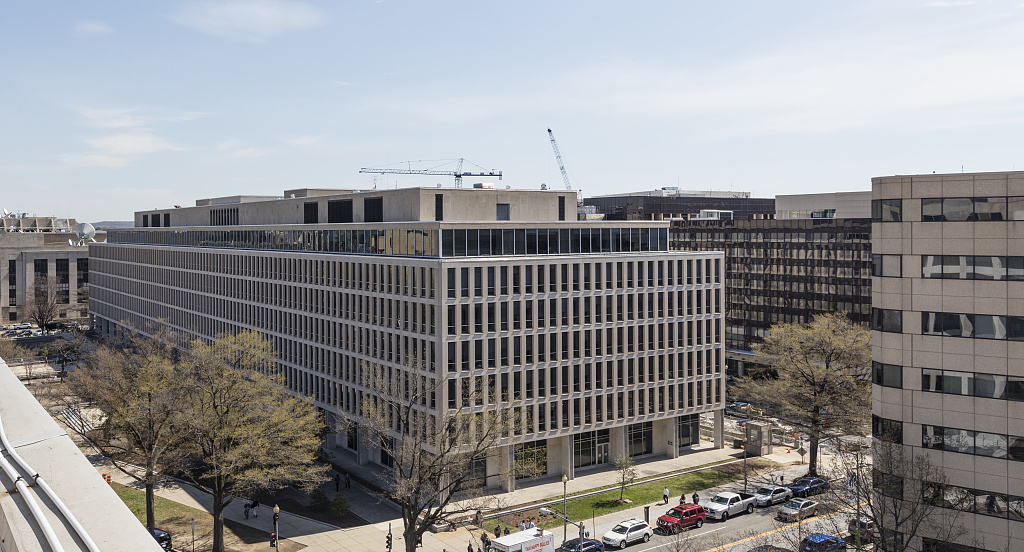
The United States Department of Education is working on reducing interest rates on student loans.

Welcome back and live now from Fox. I’m your host Anna Marc. A headline that we’re following from this week. Take a look at this coming from the Washington Post. The Trump administration is promising student loan borrowers a great incentive to sign up for autopay: a discount on their debt. The education department announced a 1% discount on the interest rate, that is up from a standard .25%.
So, changes are coming for millions of student loan borrowers on July 1st, including that new temporary interest rate cut, more borrowing caps for parents, and changes in federal repayment plans. So, joining us now to break down exactly what you need to know before that deadline is Nicholas Kent, who is the under secretary for the US Department of Education.
The 1% interest rate drop for autopay users goes into effect on July 1. It is a temporary benefit that requires borrowers to opt in between July 1 and September 30th of this year. Borrowers can go to studentaid.gov or contact their servicer to enroll. While the opt-in window is limited, the benefit will be realized over two years, from July 1 of this year through June 30th of 2028, for borrowers who voluntarily enroll in autopay.
All borrowers who took out a loan after July 1, 2012, which covers the vast majority of loans held with the Department of Education, are eligible to receive this benefit provided they sign up for autopay and continue making regular payments towards their balances. Regarding the high default rates, the department attributes this to the previous administration’s policies, including payment pauses and the now-struck-down SAVE plan, which left borrowers confused about their repayment obligations. The current administration emphasizes that if you took out a loan, you are responsible for repaying it.
Starting July 1, the federal student loan system will be simplified by sunsetting current repayment plans and introducing two new options: the repayment assistance plan and the tiered standard plan. The repayment assistance plan ensures that as long as a borrower makes on-time payments, they will not see the negative amortization seen in previous plans. The tiered standard plan offers longer repayment terms based on balance size—10, 15, 20, or even 25 years—to help lower monthly payments.
Borrowers currently in the SAVE plan, which was deemed unlawful by federal courts, will need to move to a new plan within 90 days of being contacted by their servicer. If a borrower fails to choose a new plan within that window, the department will be forced to move them into the standard repayment plan, which in many cases may increase their balance. Therefore, it is in the borrower’s best interest to research and select a new plan promptly.
The new repayment assistance plan extends the timeframe for loan forgiveness to 30 years. This change is intended to discourage borrowers from simply buying time until forgiveness and instead focus on actually paying off their balances, reducing the burden on taxpayers. The administration is also instituting manageable loan caps, including capping parent plus loans at $20,000 per year, rather than allowing them to cover the full cost of college, to help drive down the cost of higher education.

Graduate and professional students will see the elimination of the grad plus loan on July 1st. The department expects institutions to use their significant endowments and engage with private philanthropy to bridge funding gaps, or for some to explore private student lending. The department calculates that these changes will result in $49 billion in taxpayer savings by reducing federal disbursements and rightsizing the student loan model.
Looking ahead to July 1, the department is launching a new Pell Grant program to provide access to federal financial aid for low and middle-income students pursuing short-term credentials as short as eight weeks. Furthermore, an accountability framework will be implemented to hold institutions responsible if they fail to provide a minimum level of financial value to their graduates.