



Vance Plays a trip to Switzerland as Iran announces closure of the Strait of Hormuz.

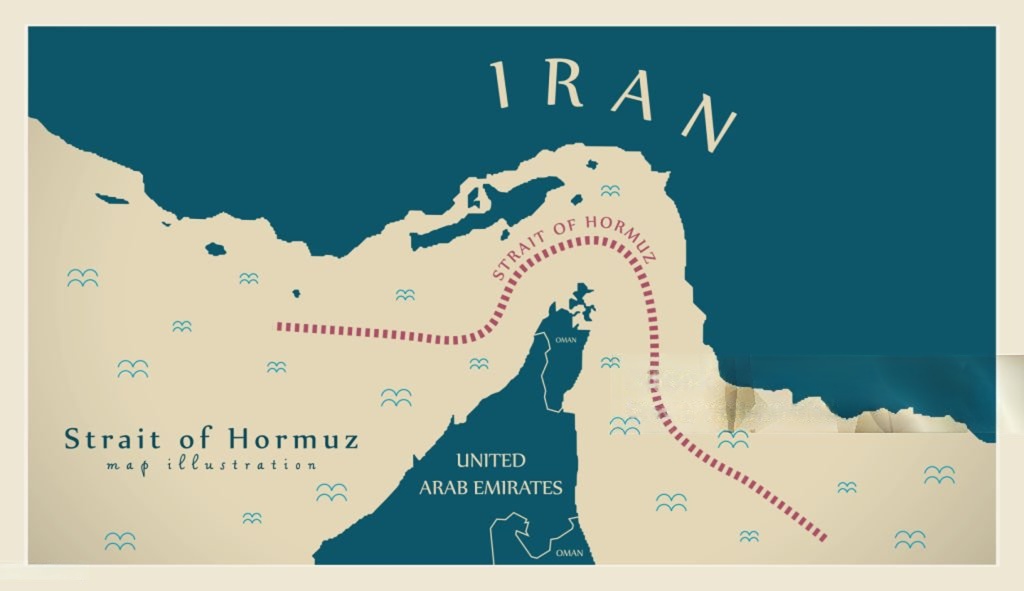
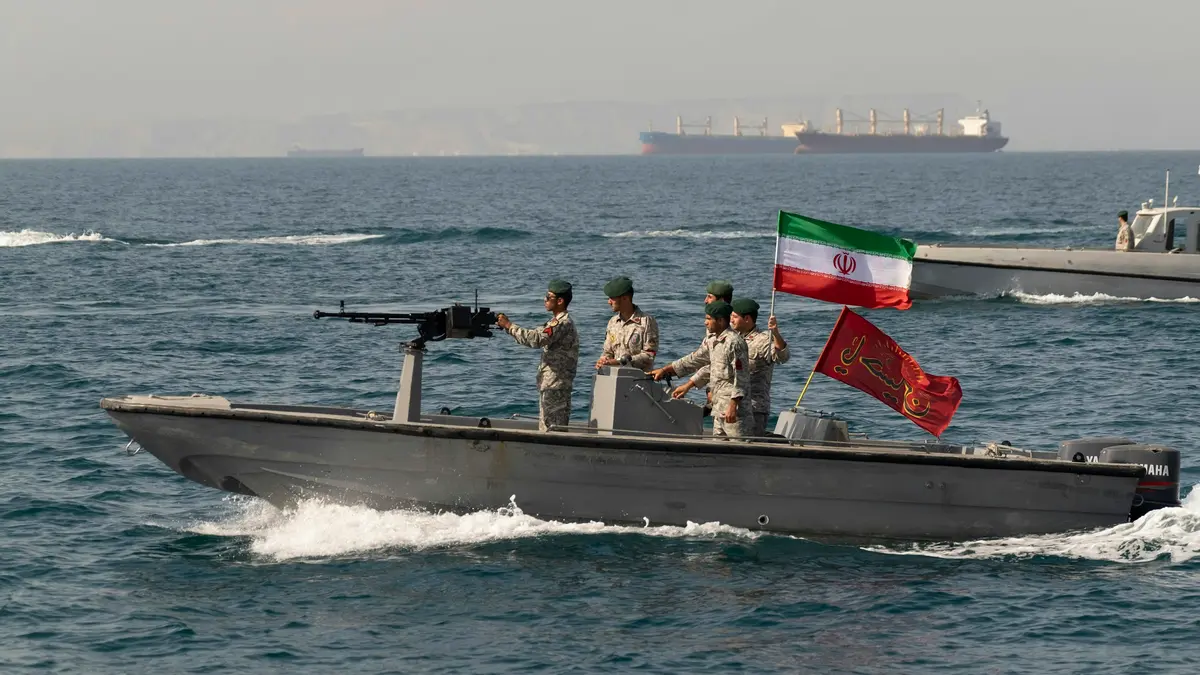
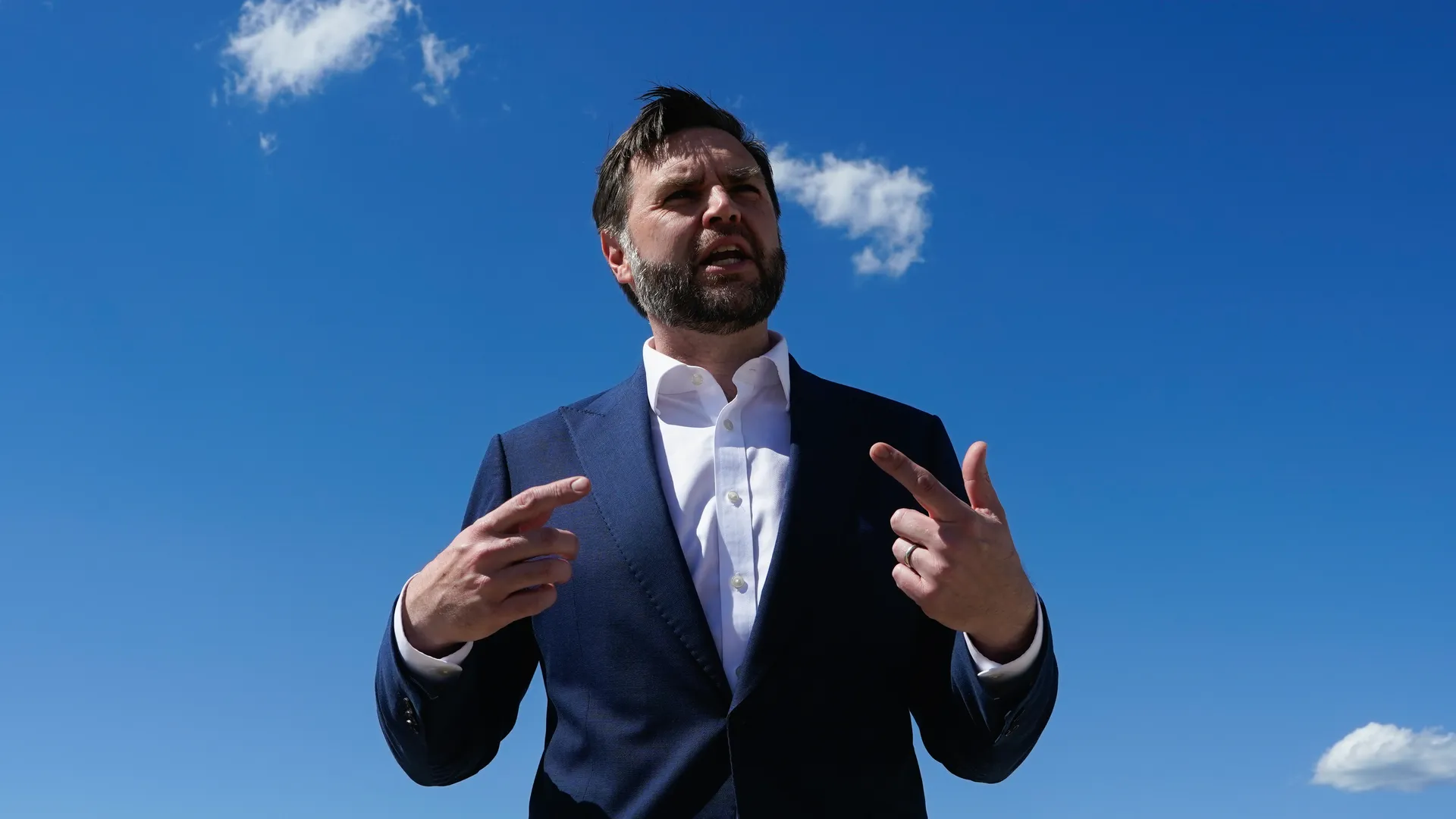
Good evening. You’re watching LiveNOW from Fox. My name is Alexander Goldberg. And now to the latest in the Middle East. Vice President JD Vance is wheels up traveling to Switzerland for the next round of US-Iran negotiations. Pakistan remains the key mediator with Qatari mediators also participating. Iran announced the Strait of Hormuz is closed because of Israel’s attacks in Lebanon. The US Central Command disputed the announcement, saying Iran does not control the Strait of Hormuz and traffic continues to flow. Reuters chief national security reporter Phil Stewart joins us now.
Phil, the Strait of Hormuz, Iran says it’s closed, the US says it’s not. What’s the latest you’re reporting? It’s a tale of two straits. Central Command is saying that it’s open for business and that Iran doesn’t have the ability to shut the strait. That has been demonstrably incorrect based on the diminished flow of traffic over the past several weeks, but they are saying at this point they don’t have the ability. The question is whether Iran is not taking any action against ships that are trying to travel through, or if there is still commercial traffic passing through, which would validate Central Command’s claims. Right now, we have two different accounts.
Moving to the situation in Lebanon, the Lebanon issue was central to Iran and the United States in the final days of the negotiations that led to the agreement we are now seeing on thin ice. Lebanon was a condition for Iran; they wanted all fighting on all fronts to cease and mentioned Lebanon by name in the first point of the agreement. Overnight, there was an attack that the Lebanese are saying left 20 people dead. Israel states it was responding to a massive barrage of incoming projectiles into Israeli-occupied areas. Vice President JD Vance says he’s going to try and tackle the Lebanon issue when he arrives in Switzerland, but there are real diverging interests right now between the United States and Israel on the military level.
Regarding the technical-level talks in Switzerland, the world has to come to grips with the idea that we are in a very delicate, very prolonged phase of negotiations. If the ceasefire holds and Lebanon doesn’t wind up being a dealbreaker, there are very thorny issues related to Iran’s nuclear program that have to be worked out by teams of negotiators over many weeks. They are giving themselves 60 days, which many experts say is probably not going to be enough. There is a fear that Iran may want to drag this out now that they will be able to sell oil on world markets. Experts are trying to figure out how to ensure these negotiations make good on President Trump’s vow that Iran will never have a nuclear weapon, especially since Iran hasn’t forgone the right to enrichment and nothing in the current memorandum addresses the final state of their nuclear program.
As for the venue in Switzerland, it’s an acceptable place for everyone to meet. The IAEA, which monitored Iran’s nuclear program prior to last summer’s conflict and Operation Midnight Hammer, is based in Switzerland and could potentially play a role in a future agreement. Regarding the President’s Truth Social post saying there will be no tolls in the Strait of Hormuz for 60 days, this is a fascinating part of the agreement. There was explicit language stating Iran will not charge any tolls for only 60 days. Analysts are concerned that Iran and Oman might try to arrange some future toll or regulation that isn’t technically a toll but acts like one, effectively turning the strait into their own Panama Canal.

Finally, regarding the US military presence, there is vague language in the memorandum of understanding stating that the US military will move away from areas surrounding Iran. When asked about this, Secretary Hegseth played it down, saying the US military is staying put for now and any future moves will be based on Iranian behavior. This remains a significant question, as Iran has wanted the United States out of the Middle East for decades, and the big question is whether they will seek to scale back the US presence in the Gulf. Secretary Hegseth defended the agreement as being made from a position of strength, despite criticism in Israel and the US Congress that the terms might give away too much leverage before the hard negotiations over the nuclear program have taken place.